Dr. Walter Fairservis, Founder and Director of Hierakonpolis Project, 1967-1994
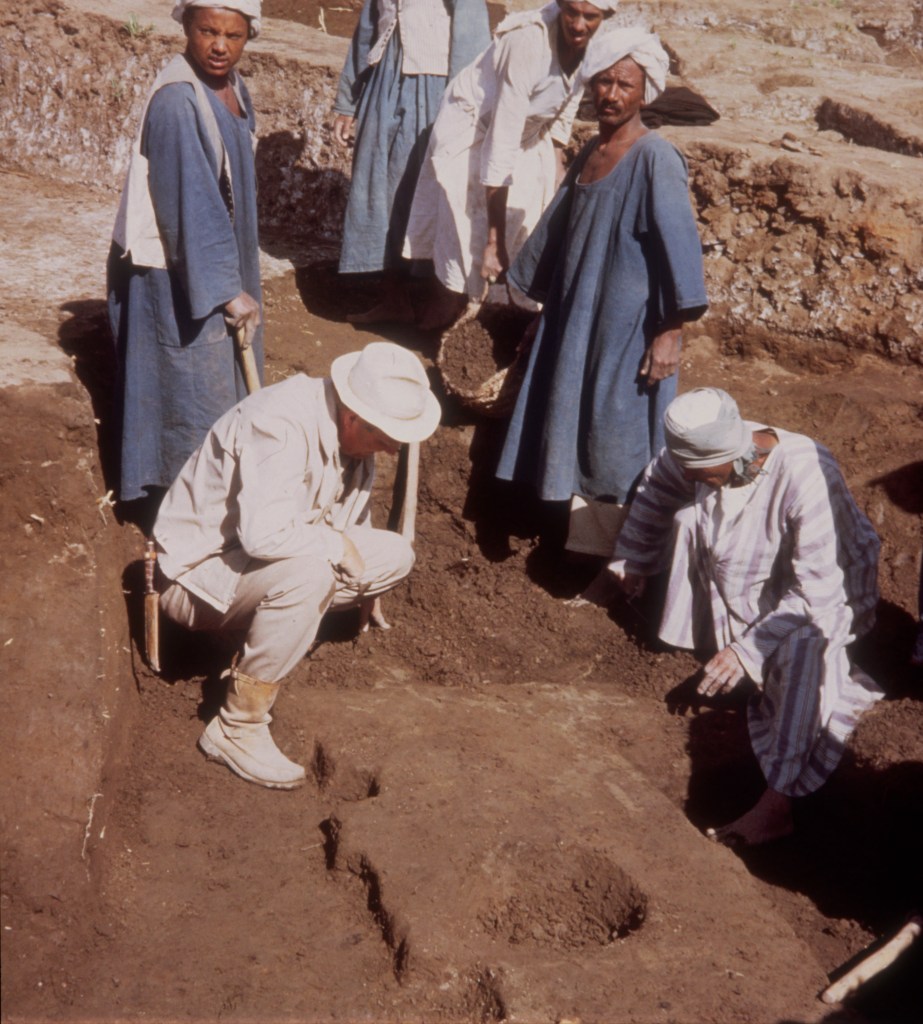
Mudbrick matches the earth but Walter recognized its density and patterns as he troweled with his team, 1969.
This is the front wall of an early Palace, which was then in 1969 a new discovery for the material record of ancient Egypt. An early dynastic date, ‘archaic’ is provided from recurrent pottery (Barbara Adams and Fairservis’ field notes, Archives with Walters) and seal impressions for king Qa’a, last king of Dyn. I, found in sealed occupation layer in 1981 (Hierakonpolis Project III, 1986 : Jonathan Brookner).
This anthropologist Fairservis
His excavations concerned early centers/settlements in Pakistan, and Hierakonpolis in Egypt. He was also known as the Great Walter Fairservis as mentioned by Egyptologist Dr. Donald Redford. Fairservis sought to learn from diverse ancient peoples, river settlements (Malir and Indus in Pakistan) and of course, the Nile. This comparative civilization premise won funding from the Smithsonian Institute and PL-480. Four seasons in Pakistan, 1972-76 and 1967, 1969, 1978 and 1981 at Hierakonpolis were devoted to these objectives.
Why kingship developed in ancient Egypt is an unanswered question that may have involved Hierakonpolis. This question fascinates many. Yes, competition to explore this site existed. The Supreme Council of Antiquities of Egypt, 1967, granted permission to investigate a large site 3-5 km in desert and Nile farmland. The kingship theme motivating many was secondary. His interest focuses on evidence of people and the settlement -Town site in Nile Farmland.

This desert was explored every Friday by Dr. Fairservis: Wadi Abu Sufian, 1967 (his photograph).
The broad region of the Hierakonpolis area, desert sites and the ancient town in Nile farmland suggested to Walter Fairservis, and before him, to Werner Kaiser and Karl Butzer that the desert sites of Hierakonpolis region may have led to the known settlement in the cultivation. Fairservis identified 90 sites in the desert. His field notes record historical and early sites, possible itinerant records engraved on rocks, and geological features. He would have been delighted to learn that chert, the favored rock for hand tools, does have source deep in this Wadi on the east terraces.
Fairservis chose the temple-town site in the farmland for his excavations, 1967-1994. He published his preliminary reports from fieldwork for Hierakonpolis. He included his study of marks, graffiti on Predynastic vases (before the kings in Dynasty I) in one small book, and devoted a book to translating the Indus script, as communication, language and symbols of these early peoples fascinated him. The media for these symbols, pottery for Egypt and stamp seals for the people of the Indus (Pakistan), involved people perhaps with rank or for specific functions. All materials and material evidence were recorded by Fairservis and he checked the finds, observations, strata, and architecture observed and defined by his team.
Two generations of scholars and students participated in the excavations led by Fairservis, Hierakonpolis Project. Three doctorates were completed on material from the excavations – one of whom is Michael Hoffman, who participated in 1969 excavations and directed the desert sites in 1978 – 1989. Fairservis and Hoffman worked in 1988 for the last time together in the eastern quadrants associated with the early palace. This farmland site Temple and Town Hierakonpolis, ancient Nekhen in hieroglyphs, was not a Hoffman mission, but one that Fairservis hoped would continue beyond his lifetime, and hence we (Adams, Mills, Walters) returned for fieldwork led by Fairservis in 1992, 2 years after the young Hoffman died and 2 years before we lost Fairservis.
Excellent Egyptologists, Dr. John Wilson of the Oriental institute and Dr. Labib Habachi encouraged the excavations and visited in 1969. The site benefitted from Egyptologist Dr. Kent Weeks who identified and published the facade of the early palace in JARCE 1971/72 and Dr. Klaus Baer after the 1969 season focused on inscriptions and the rock cut tombs, checking the careful drawings of Sue Weeks and Jan Fairservis for the rock cut tombs. In 1978 he shared with me critical information for the tomb of Hormose, 11th c BCE and Jan shared her scale drawings of that tomb. In 2003, I published the Isis festival in the tomb of Hormose (seen with Jan’s reconstruction of this damaged tomb,1999 to honor Walter with their genuine joy in dance and music). A further article in 2007 employed part of the festival and concerned other women and possible contact with peoples and court dress in ancient Iraq and Syria. The positive teamwork and diverse and shared interests made each field season invaluable.
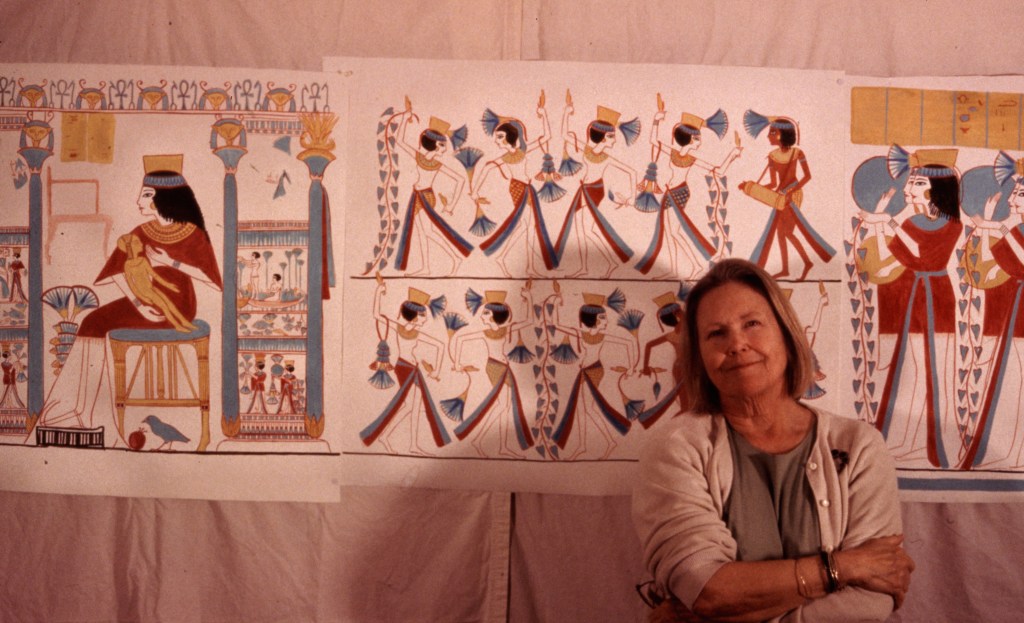
1999 reconstruction of Isis festival and artist Jan Sutherland Fairservis, tomb of Hormose in the desert sandstone terraces, Dyn. XX- part of the rich empire age of Egypt and Hormose was high priest for Horus at Hierakonpolis, yes the temple part of the site.
Importantly Dr. Fairservis and his artist wife, individually and together fostered teamwork with critical study and love for this place and peoples, present and past.
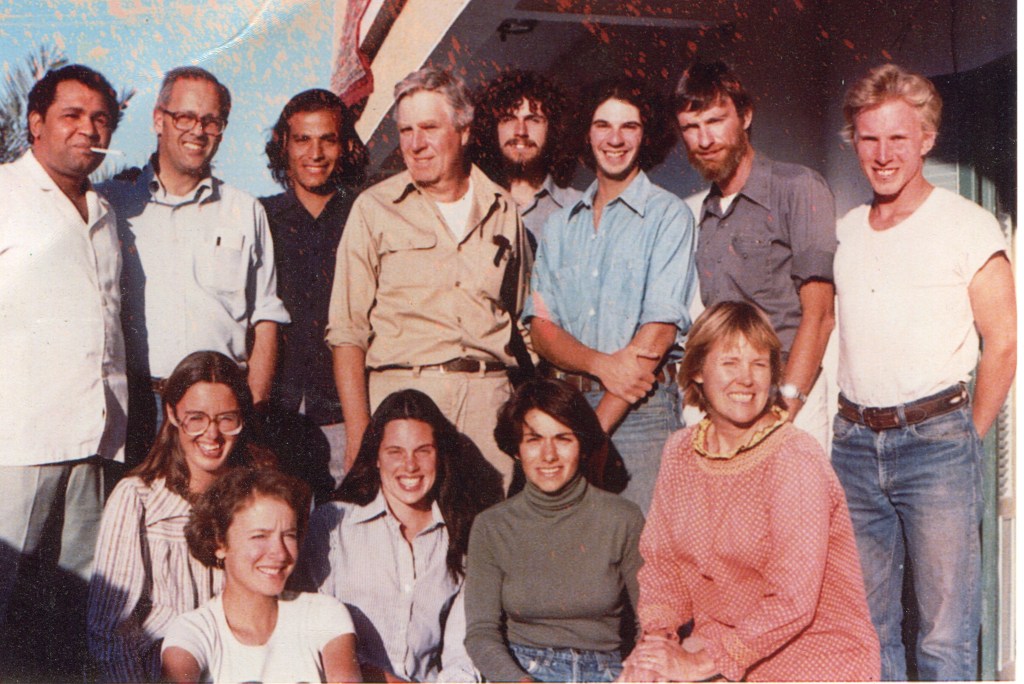
1978 team From left: Fathi Mahmoud Yusef, Dr. Klaus Baer, Inspector Abdul Ghani, Dr. Walter Fairservis, Dwight Cossitt, Jeremy Geller, Dr. Michael Hoffman, Fred Harlan; from right: Jan Fairservis, Cynthia Schwartzer, Kathi Donahue, Carol McGinty, lowest Elizabeth Walters (Mary Mullin teammate as photographer, photograph from Jan Fairservis)
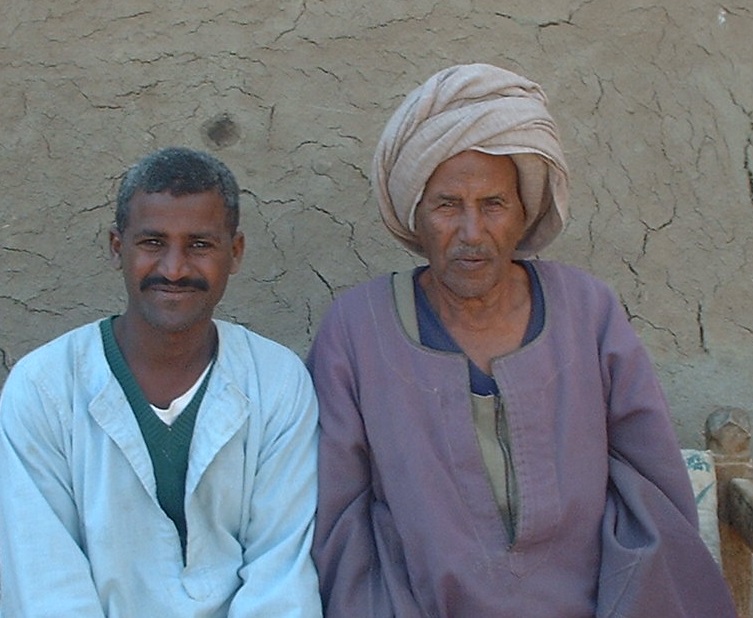
The excavations, the men, were chosen for fieldwork by Haj Abdul Raizzig (right) for Dr. Fairservis; Kamal is his grandson, 2003, both helped Temple-Town Hierakonpolis.
Ultimately care in all aspects are assured with THE MEN, the whole team. The wisdom of the head man, Haj Abdul Raizzig, leads the excellence here in his family and residents at Hierakonpolis area. The next generation, Haj Sidein shared his love of the region, inspired by Walter Fairservis whom he served in excavations in 1978, in my quadrant.

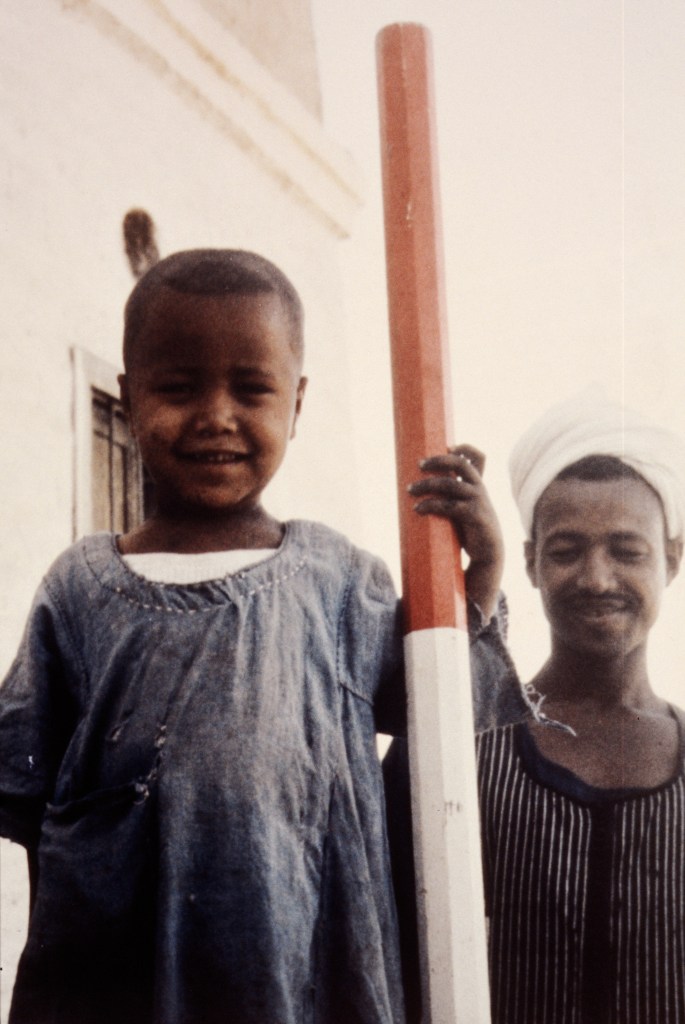
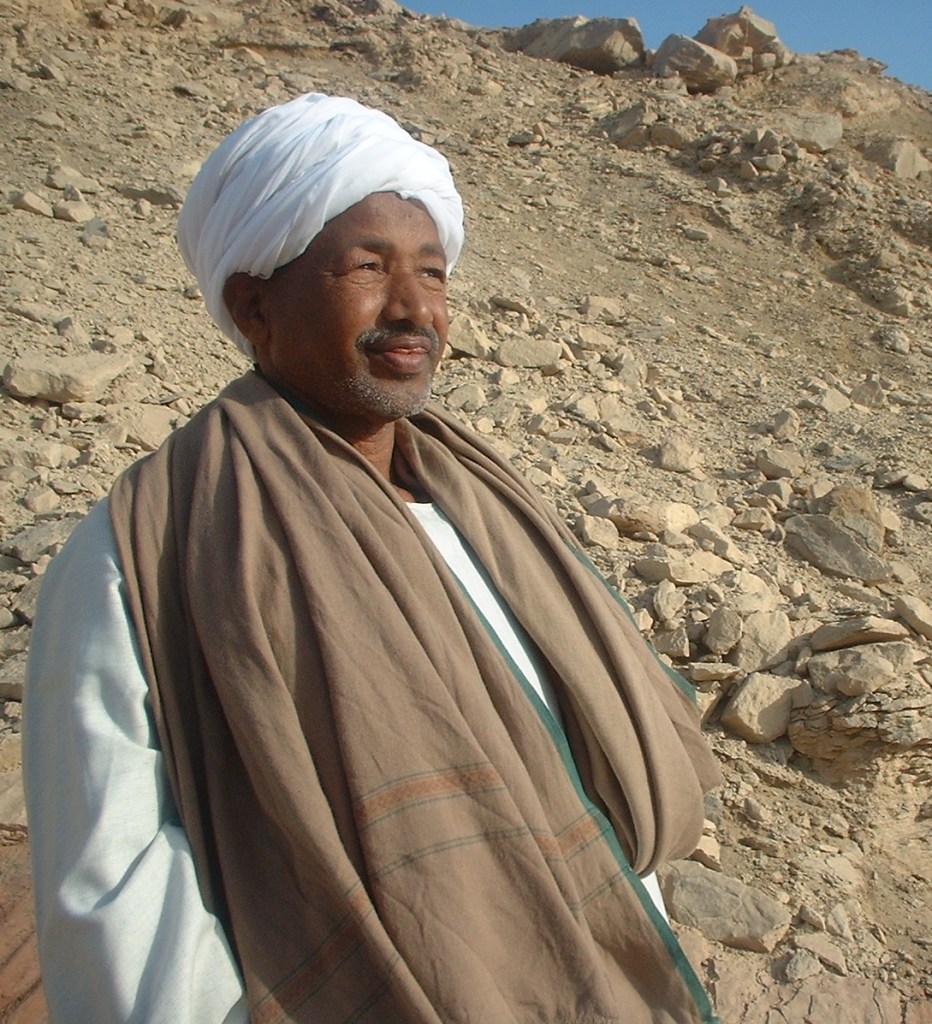
Above: Sidein as father with Mohamed Sidein in 1978 and as Haj Sidein Abdul Raizzig in 2005 in Wadi Abu Sufian (both photographs by Walters).
Ultimately the decision of the Supreme Council of Antiquities judges and awards permission to study and excavate any part of Egypt. At the site inspectors serve the site and monitor the activities. The head of the inspectors for Edfu was Fathi Abouzeid, in charge for many years in a wonderful old building.
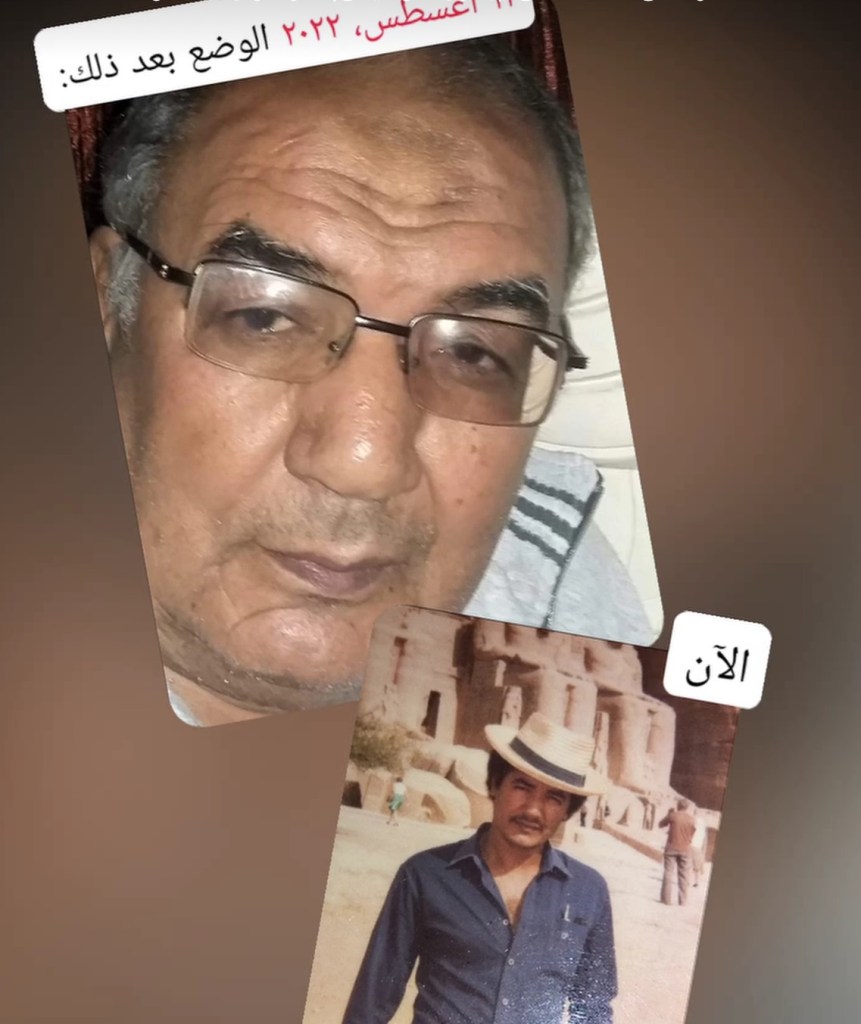
Fathi Abouzeid, head of the Edfu Inspectorate ( his image, Facebook) helped Fairservis in 1992 and us in 2010 when in Aswan Inspectorate.
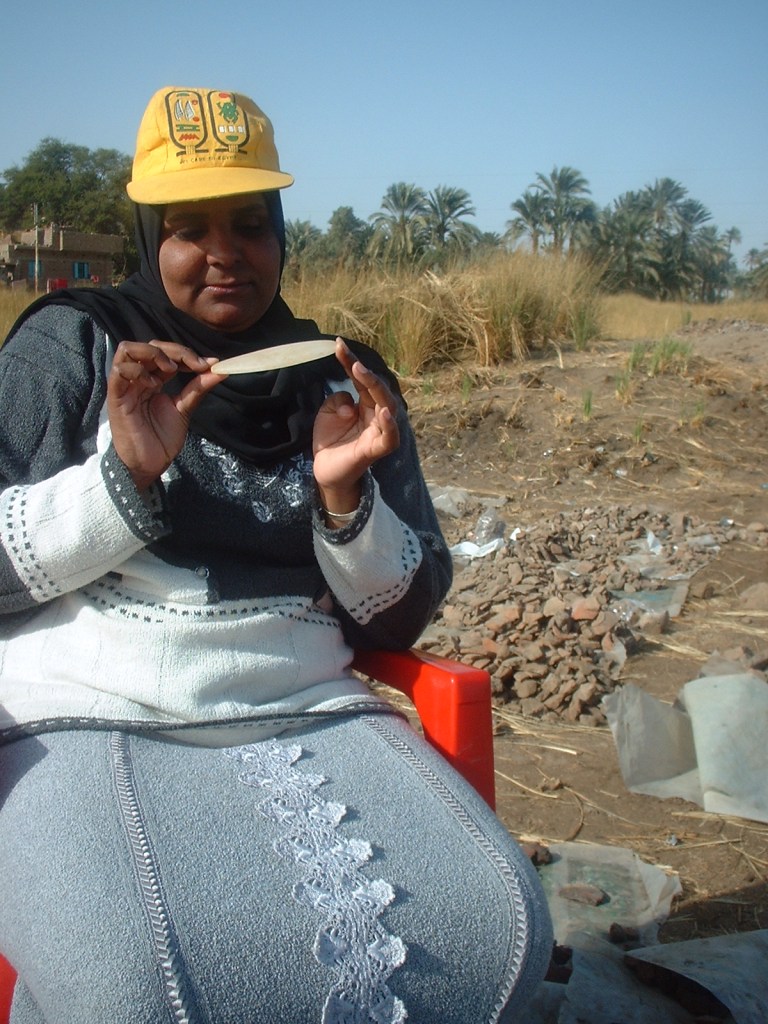
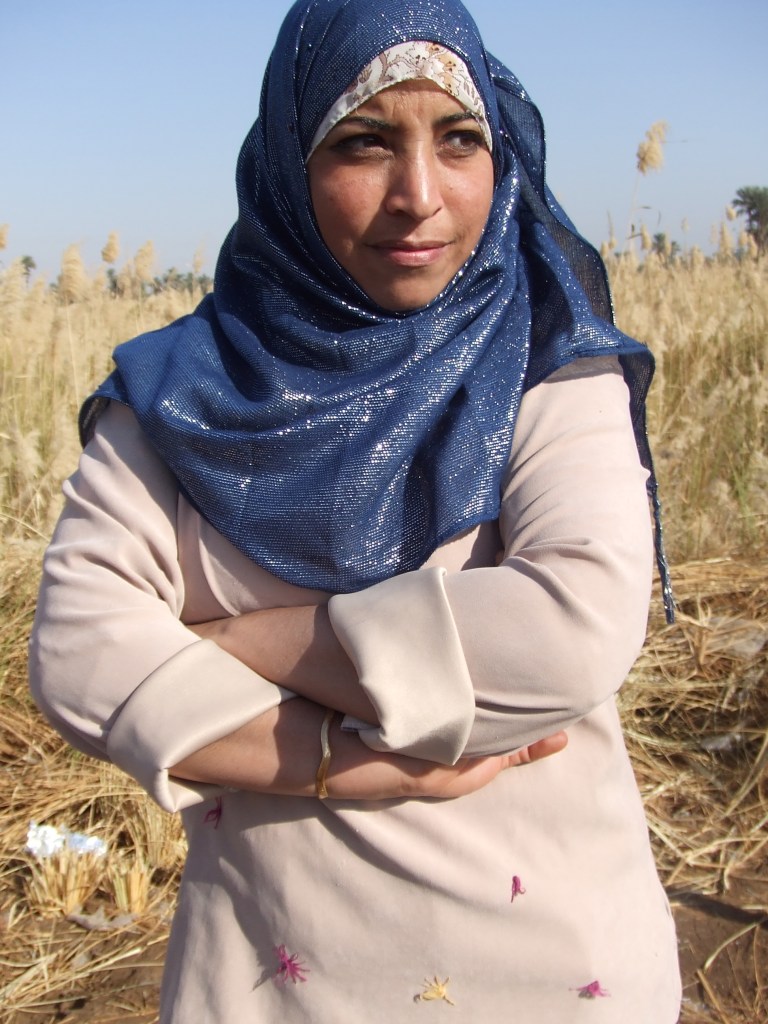
Welcome also Inspector Nagwa in 2005 above and Entezzar in 2010 at the site, new to have women.
 hierakonpolis.com